Makom Community Lingo
As part of our unique pedagogy of Jewish Placemaking, we have some unique-to-Makom learning experiences. This page takes a deep dive to help you navigate what we do at Makom and how we create community with your kiddo and your family.
Kvutzot at Makom Community
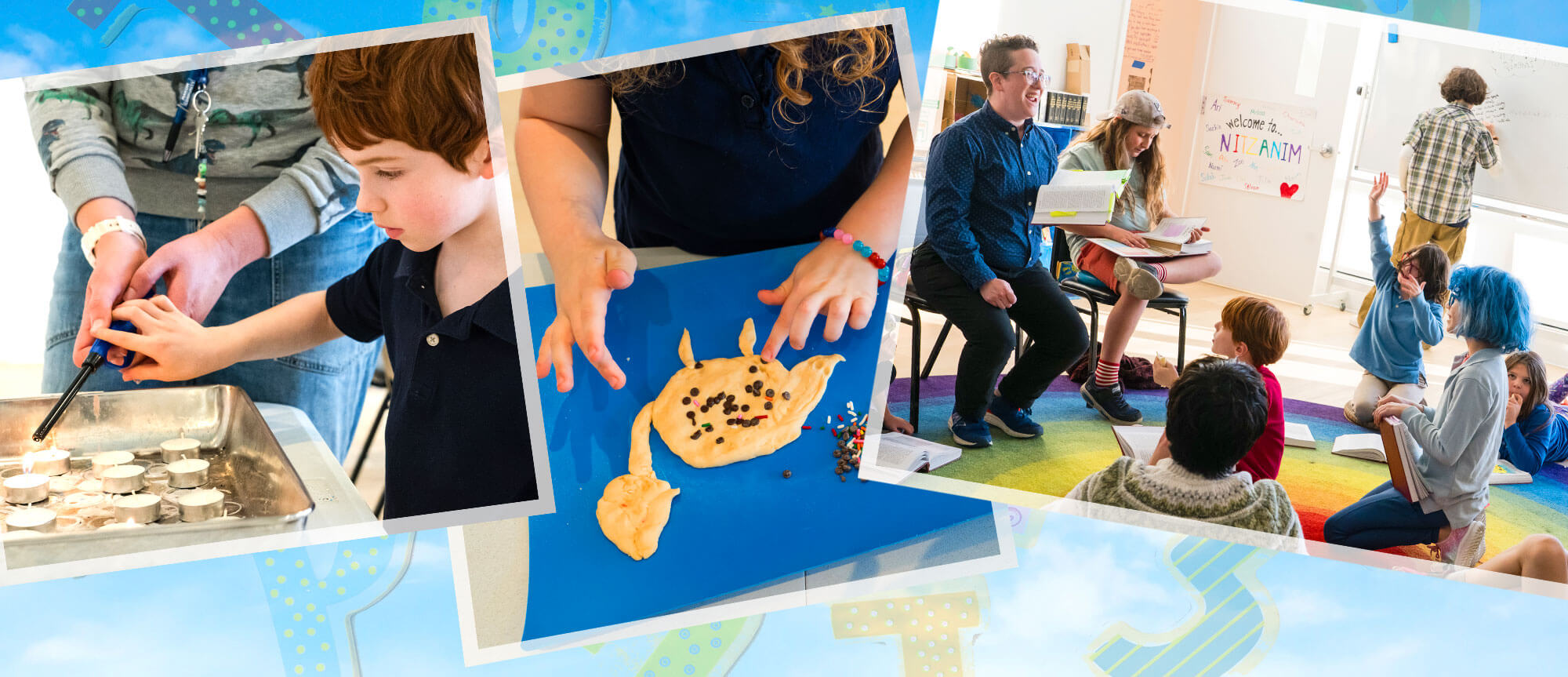
We intentionally call each class a kvutzah, which means group. We do not call them classes because Makom Community is different from school! Learning is tailored within each kvutzah for the developmental stage of those learners, and each kvutzah may include a couple of grades. We also provide lots of opportunities for learners to spend time with kids in other age groups. Each kvutzah is the Hebrew word for a part of a tree, since we’re all so busy growing at Makom Community.
- Garinim (seeds) – kindergarten and first grade
- Shorashim (roots) – first and second grade
- Nitzanim (buds) – second and third grade
- Alim (leaves) – fourth and fifth grade
- Anafim (branches) – sixth and seventh grade (includes our BMitzvah cohort)
TEXTploration
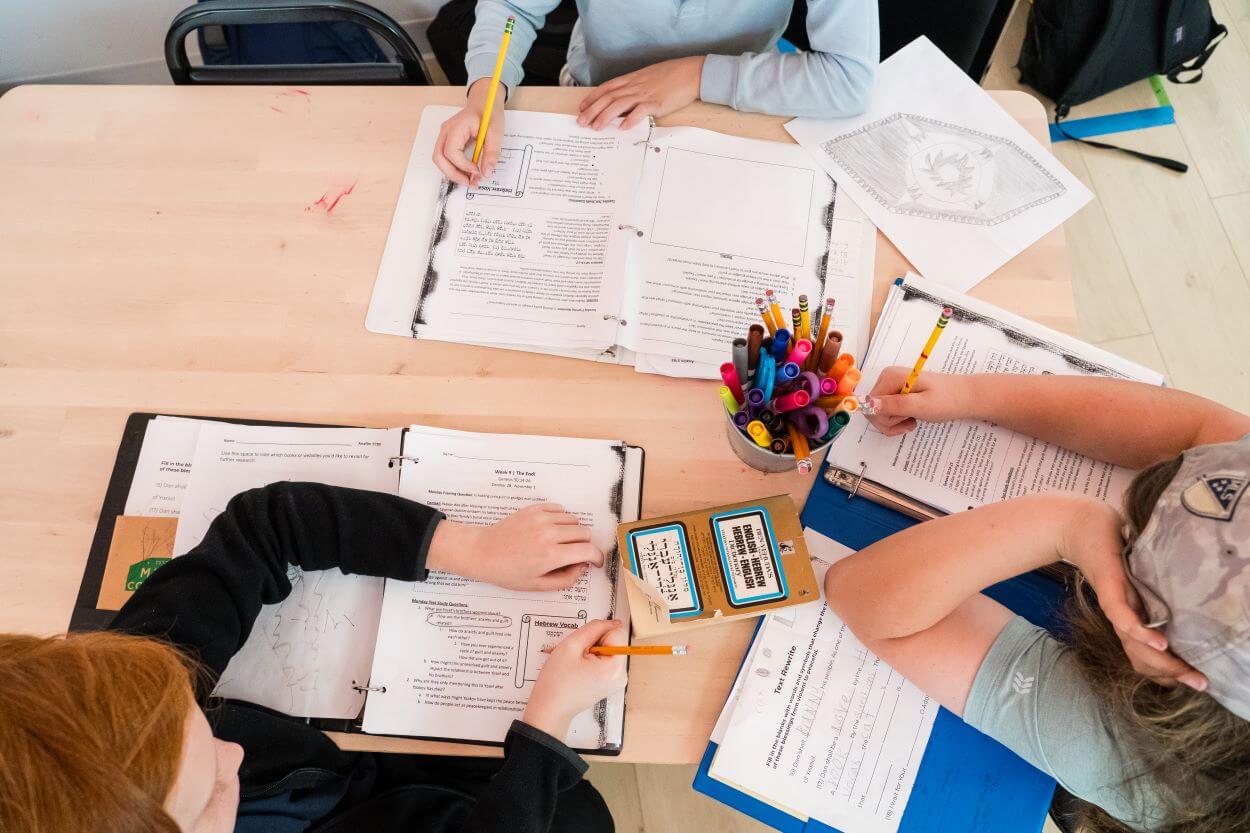
Every learner at Makom Community explores ancient Jewish Wisdom every day! We start with an opening activity to anchor the big ideas in the text in our lives. Then we engage in both discussion and activities that delve into the questions that emerge from the text. In this way, engaging with ancient Jewish Wisdom helps us see who we are now, who each of us can become, and how we can show up for each other on that journey. Grades k-5th grade spend 30 minutes of their Makom day in TEXTploration. Anafim spends an hour of their day in TEXTploration.
Tefilah: Prayer, Music, and Movement
Tefilah at Makom includes singing and moving with the music – jumping, dancing, and contextualizing the text of prayers through the use of gestures, sign language, and reflection to provide deeper understanding. Tefilah is rooted in communal connection and ancestral connection, with singing as a means of engaging with ancient liturgy and developing mindfulness. Kids have a strong sense of ownership of their Jewish environment and build a sense of ownership around the prayers, vying for a turn to lead elements of tefilah. Some kids sing along loudly, and others move their bodies to the prayers or get cozy.
Ivrit, Hebrew
Makom Community’s pedagogy, Jewish Placemaking, creates an immersive environment where Jewish texts, rituals, and customs are woven into our environment and how we interact with each other. Our priority in Hebrew learning is focused on decoding and building a vocabulary to access Jewish text and prayer. Through play, discussion, the dissection of key words in text study, and the joyful, confidence-building tefilah experience, we braid Hebrew learning into Makom learning every day. Tefilah is rooted in communal connection and ancestral connection by singing as a means of engaging with ancient liturgy and developing mindfulness. Kids have a strong sense of self-confidence in their Jewish environment and build a sense of ownership around the prayers, vying for a turn to lead elements of tefilah. Learners begin to learn the aleph-bet in Garinim, are mastering the aleph-bet in Shorashim, and are reading Hebrew and mastering tefilot in Nitzanim, Alim, and Anafim.
Tefilah Mastery
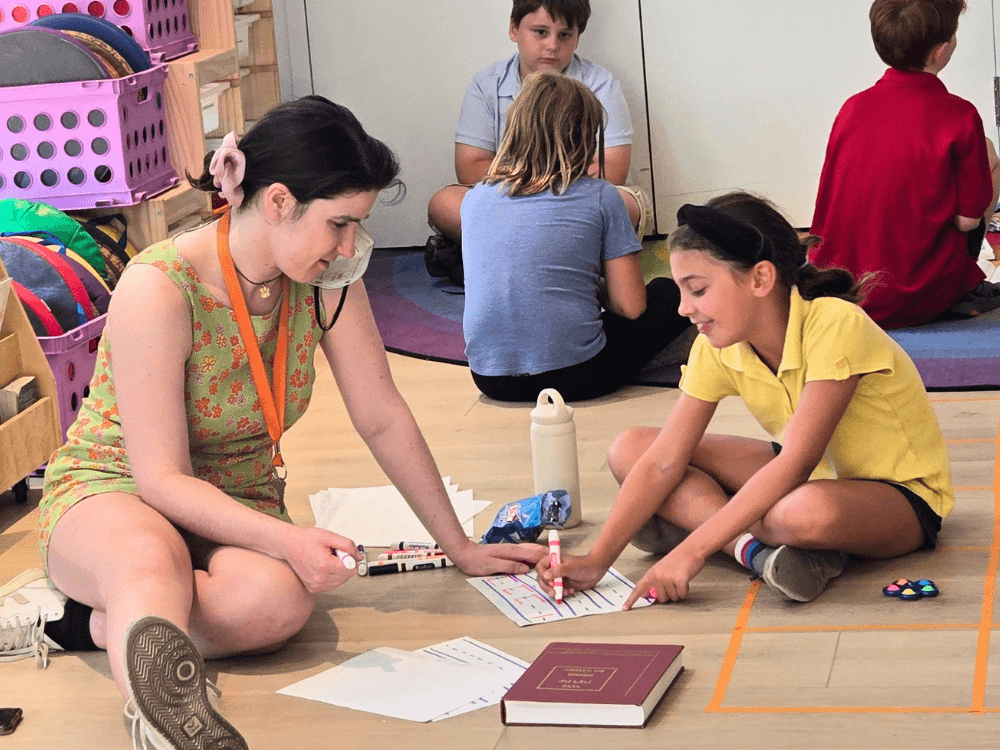
Mastering a tefilah is a process that learners go through at their own pace. A learner has mastered a tefilah after a mastery check with a Makom educator, where they show that they can read, lead, and make personal meaning out of a prayer. We love to celebrate individual learners and groups of learners as they continue mastering more and more elements of our tefilah.
Shulchanot Avodah – Project Centers
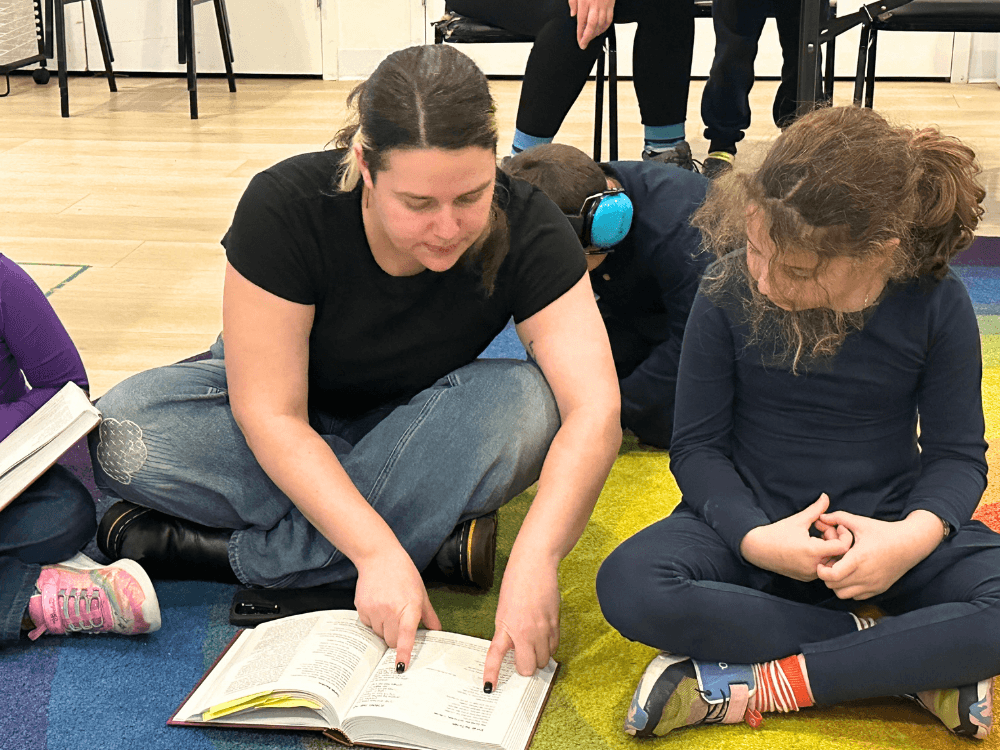
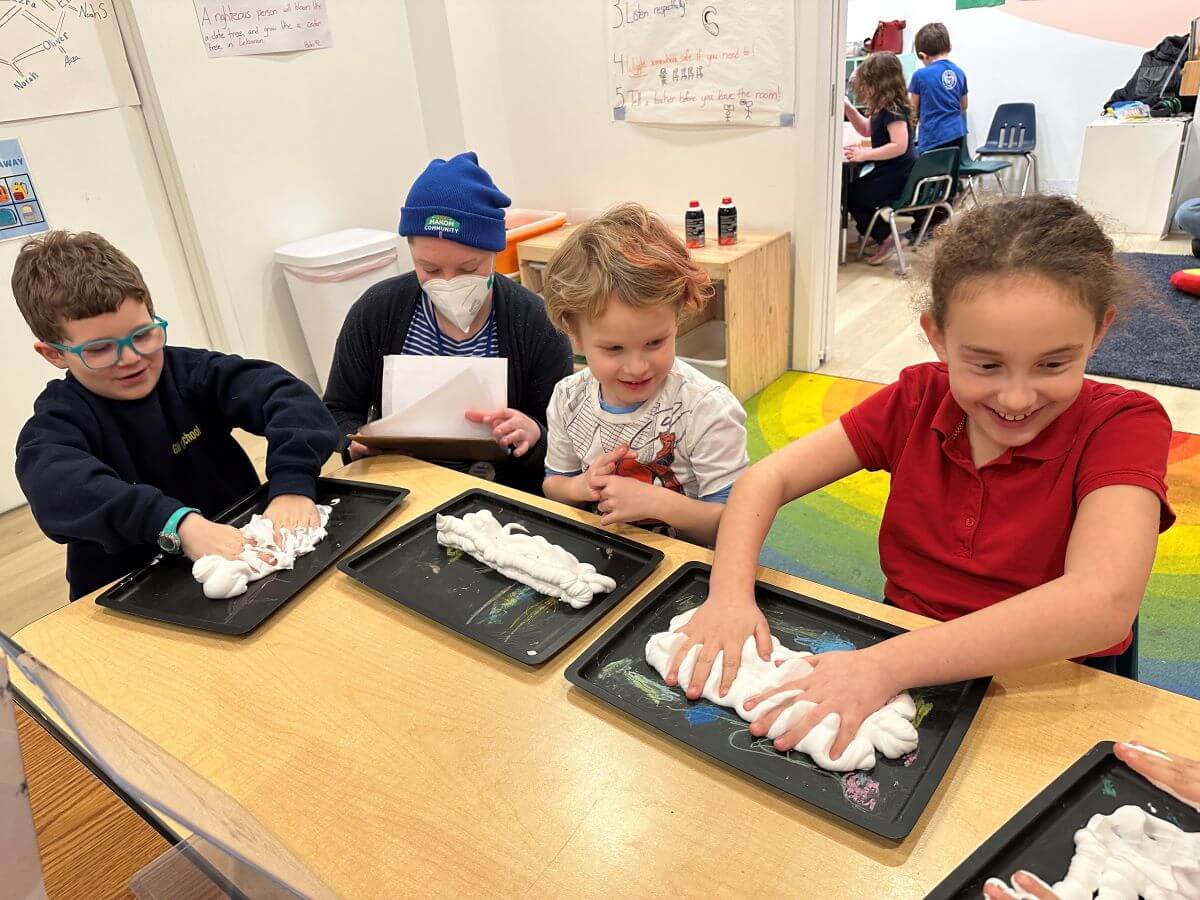
At Shulchanot Avodah (project centers), our younger learners choose how they’d like to play with ideas from our text or pursue their Hebrew learning. Each project has a different modality, so all learners have a project that interests them! Educators circulate during this time, inviting learners to join them and inviting kids into reflection on their creations. As learners get older, they start to work together with educators to identify driving questions from the text to guide them in creating longer-term projects reflecting their personal inquiry and interest in Jewish Wisdom.
Project Units
Intercut with text units, the Anafim have two project units a year. These units encourage the Anafim cohort to delve into Jewish history, culture, art, philosophy, ritual, ethics, cooking, and other aspects of Jewish life. Framed by text, each unit begins with a teacher-facilitated orientation to the basic information learners need to continue with independent research. Learners then choose a specific question or line of inquiry within that topic and create individual or partnered projects exploring their personal connections to and wonderings about the topic. Learners have an opportunity to present their projects to the community and reflect on their process with the cohort.
Capstone Projects
Learners who are preparing for their BMitzvah ceremony with Makom Community create an individual capstone project on the topic of their choice. These projects might stem from a question or theory the learner has about their BMitzvah Torah portion or from another aspect of Jewish life and culture similar to the Anafim project unit topics.
Family Learning Showcase
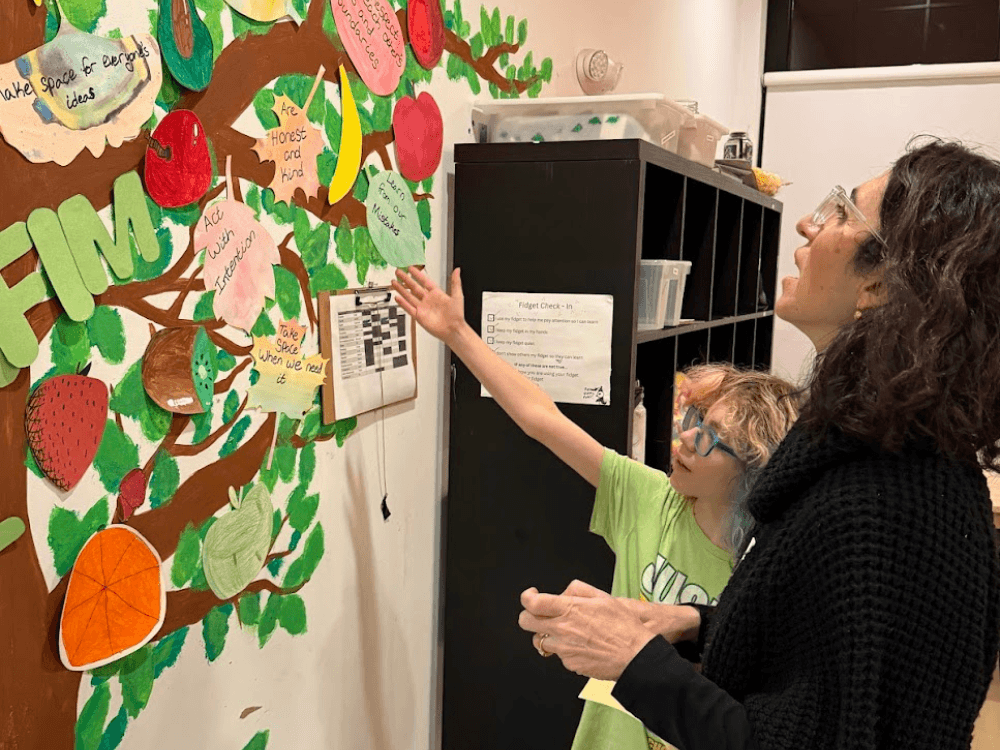
An opportunity for parents, grandparents, and special friends to join us at Makom Community to see what our kids have been learning and engage with the question, “How might our family bring this learning home?”
Family Programming
An invitation to connect with your kids (or grandkids) over a Jewish holiday, meal, or other special time in the community.